Portable toilets are an environmentally conscious choice for several reasons. First, they use significantly less water than traditional toilets, saving billions of gallons annually. This conservation helps reduce strain on local water sources, an important advantage in areas facing water scarcity. Additionally, the waste collected in portable toilets is processed and treated at specialized facilities, reducing the risk of pollution in natural environments.Another eco-friendly aspect is the reduction of contamination in outdoor events and construction sites. By using portable toilets, event organizers and site managers effectively prevent human waste from entering and contaminating ecosystems. Many modern portable toilets also utilize chemical-free treatments and biodegradable materials, enhancing their overall environmental sustainability. Moreover, some models are equipped with solar-powered ventilation, reducing their reliance on external power sources.Transport and setup of portable toilets have been optimized in recent years to minimize carbon emissions. Efficient logistical strategies ensure that the delivery and maintenance process is streamlined, leading to fewer trips and reduced diesel emissions. By choosing portable toilets, users support an industry committed to innovation and sustainable practices, all while providing essential sanitation services at large events or in remote areas.In summary, portable toilets not only conserve water but also reduce potential ecological disruptions and contribute to cleaner, safer outdoor experiences. They are a practical choice for environmentally aware individuals and organizations looking to minimize their footprint during events and operations.

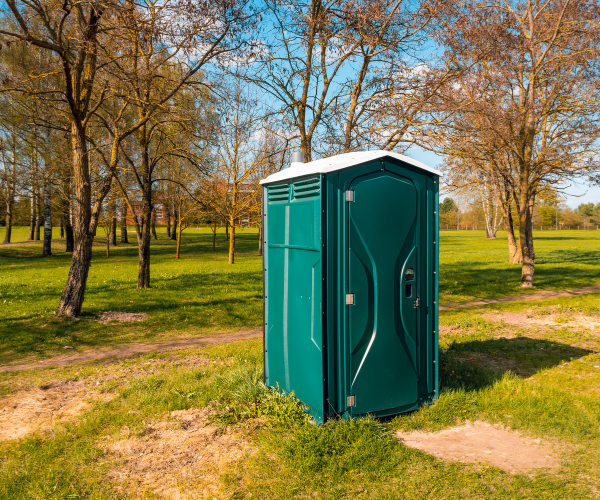
Portable Toilet Rentals in Villa Rica, Georgia
Call today for a free quote (770) 215-0134
Portable Toilet
Fast, Easy, & 100% Free To Get Started
Trusted for 20 Years
Our portable toilet company, with more than 20 years of experience, has become an integral part of the Villa Rica community. We are committed to delivering dependable, high-quality services that ensure complete client satisfaction.
Exceptional Quality Service
Our commitment to exceptional quality service defines our business. We ensure that every portable toilet unit is clean and well-maintained, providing a pleasant experience for all users.
Prompt Delivery Guaranteed
We understand the importance of prompt service and guarantee quick delivery of our portable toilets to meet your event schedule. Efficiency and reliability are at the core of our operations.
Reliable Portable Toilet Services in Villa Rica, Georgia
Call for a Free Quote Today
(770) 215-0134
As a trusted provider of portable toilet services in Villa Rica, Georgia, we pride ourselves on being dependable, reliable, and locally owned. Our commitment to quality ensures that you receive the best service for your events. Whether you're hosting a construction site, party, festival, or wedding, our portable toilets are a convenient solution. We serve not only Villa Rica but also the surrounding areas, guaranteeing quality and timely delivery. Our dedication to customer satisfaction has made us a preferred choice in the community, and our competitive pricing ensures we fit into any budget. Let us take care of your sanitation needs so you can focus on what matters most.
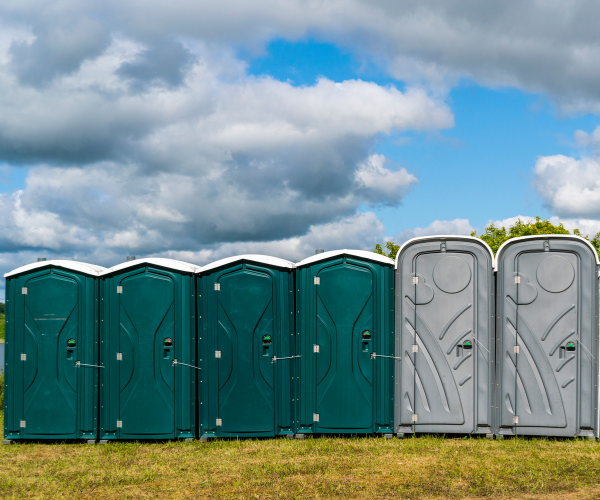
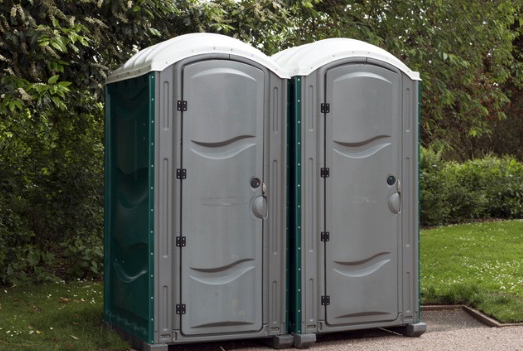
Our standard porta john rental units are durable and reliable for any commercial build site, housing development, public works project, or remodel job.Features include dome lighting, grated floors, and an “In-Use” locking mechanism for privacy and comfort. Regularly maintained, inspected, and cleaned by FusionSite at your location.
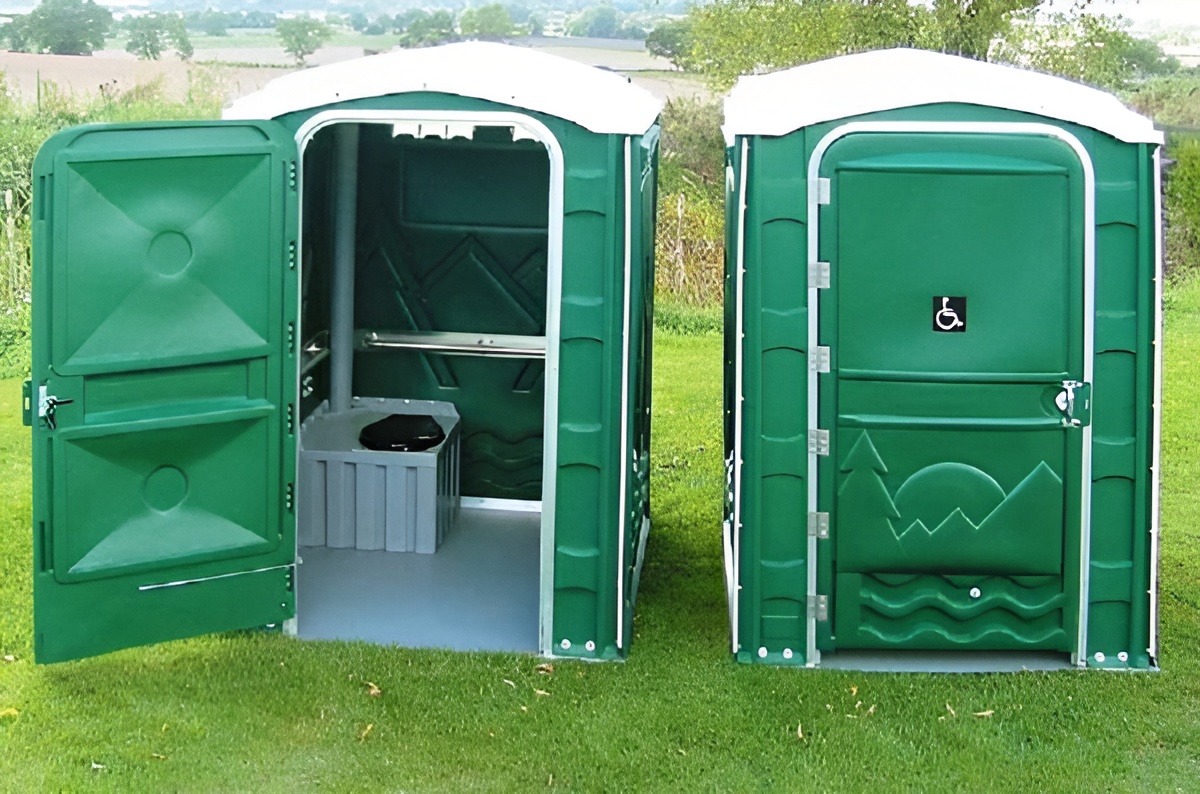
Developed as an alternative to full ADA-compliant restrooms, the Liberty is a spacious, wheelchair-accessible unit that can also be promoted as a family-sized restroom. Includes a patented flat-floor system for easy wheelchair access and maneuverability.Handrails, paper holder, and rotary latch are designed for simple, intuitive end-user operation.
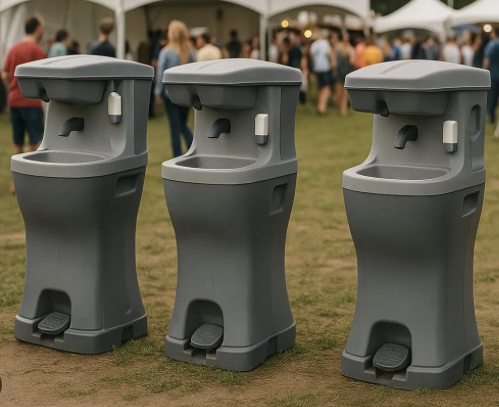
Portable hand washing stations are essential for keeping your work site sanitary and clean. Features hands-free foot pumps, liquid soap, and paper towels.Perfect for job sites without water hookups, these units can handle hundreds of washes between services.
We Proudly Serve
Standard Portable Toilets
Standard Portable Toilets provide essential sanitary solutions for any temporary event in Georgia Container.
High Rise Portable Toilets
High Rise Portable Toilets are ideal for construction projects in Villa Rica, Georgia, ensuring convenience at any height.
Restroom Trailers
Restroom Trailers offer a luxurious mobile restroom option for events held at Georgia Container in Villa Rica.
Roll off Dumpsters
Roll Off Dumpsters offer efficient waste management services for Villa Rica's Georgia Container, enhancing cleanliness in all projects.
Septic Tank Cleaning
Septic Tank Cleaning services ensure your Georgia Container systems operate smoothly and efficiently.
Grease Trap Cleaning
Grease Trap Cleaning ensures hygienic operations for commercial kitchens in Villa Rica and surrounding areas.
Fencing & Barricades
Fencing & Barricades provide secure and reliable solutions for any event held at Georgia Container in Georgia.
Residential Storage
Residential Storage solutions in Villa Rica offer safe and accessible space with Georgia's trusted service.
Villa Rica Portable Toilet and More
Obtaining a quote and arranging delivery for our portable toilets in Villa Rica is a breeze. Our streamlined process starts with a simple online form that you can fill out in minutes, ensuring all your details like the number of units required, event location, and rental duration are captured comprehensively. Alternatively, you can contact us via phone for immediate assistance and guidance from our friendly customer service team. Our staff is always ready to tailor a solution for your unique needs, offering expert advice on what type of unit best suits your event, from standard options to luxury restroom trailers. Once the details are settled, our dedicated delivery team ensures timely setup at your location, considering the logistics of the area and your specific site requirements. With flexible scheduling and responsive service, you can trust us to handle every aspect of the rental process, so you can focus on your event without worry. Uncomplicated, efficient, and customer-focused, our service strives to exceed your expectations, making us the first choice for portable toilet rentals in the Villa Rica area.
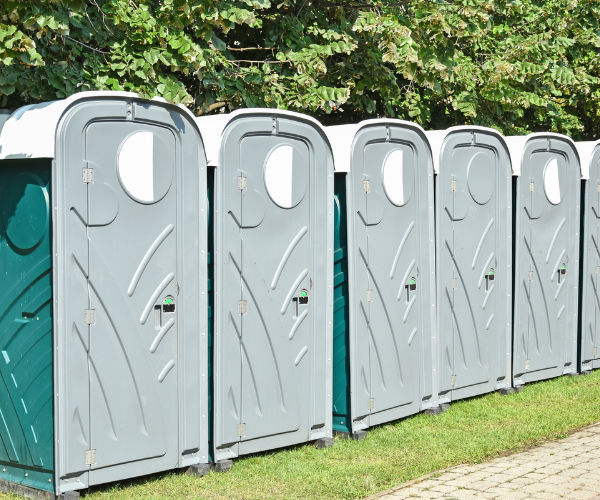
Our portable toilets are the perfect choice for any event in Villa Rica, thanks to their seamless blend of local charm and practicality. Positioned conveniently near popular sites like the Pine Mountain Gold Museum and during the rich festivities of the Gold Rush Festival, our service enhances the guest experience by ensuring hygiene and convenience. From community festivals to private gatherings, our units are designed to meet the highest standards of cleanliness and reliability. Our attention to local needs allows us to provide strategically placed facilities that integrate effortlessly with Villa Rica's unique character and scenic beauty. Our commitment to quality ensures that you never have to compromise on comfort or cleanliness, even in the most remote or rustic locations. Trusting our local expertise, you can host any event confidently, knowing that the sanitation aspect is completely covered, contributing to the overall success of your occasion.
With deep roots in Villa Rica, our company stands out as the best choice for portable toilets. Our dedication to the community is evident through our outstanding service and consistent quality. We prioritize your needs, offering tailored solutions that make any event seamless.Our commitment to excellence is backed by years of experience, ensuring that our services are both reliable and personalized. From small gatherings to large-scale events, we meet all your sanitation requirements with professionalism and grace.Choosing us means partnering with a team that values local connections as much as you do, ensuring your guests have a pleasant and sanitary experience. Our comprehensive service continues to set us apart, making us the preferred choice in Villa Rica.
Delivering fast and reliable portable toilet services is at the core of our mission in Villa Rica. Our streamlined logistics enable us to respond to your needs swiftly, ensuring that every booking is met with punctuality and precision.Our efficiencies allow for same-day delivery options in urgent situations, providing peace of mind when time is of the essence. We prioritize your event's success with flexible scheduling and dedicated service, matching the unique demands of both planned and spontaneous gatherings.Our reliability in service translates to trust, making us the leading provider of portable toilets in the area. Whether large or small, every event benefits from our commitment to quality and speed, underscoring our reputation as a dependable partner.
Discover Our Villa Rica Portable Toilet Options
Renting a portable toilet in Villa Rica is a simple process designed with our customers' convenience in mind. To begin, you can fill out the forms located at the top and bottom of our website pages or simply click on any 'Get A Quote' buttons dispersed throughout our site. These forms require some basic information: your first name, last name, phone number, and email address.Once you submit this information, our team will promptly respond to discuss your specific requirements, such as the type of event, location, and duration of the rental. Our experienced staff will work with you to determine the most suitable portable toilet options, ensuring that all aspects of the rental meet your needs.We also offer guidance on the number and type of units best suited for your event or construction site, considering factors like expected attendance and site accessibility. After finalizing your order, our logistics team coordinates the efficient delivery and setup at your desired location, ensuring everything functions perfectly on the day of the event.Throughout the rental duration, we provide comprehensive maintenance and support to ensure all units remain clean and operational, providing peace of mind for all your guests. Our easy-to-navigate rental process aims to deliver satisfaction from start to finish, reflecting our commitment to quality and client care.
The typical delivery timeframe for portable toilet orders varies based on several factors, including location, order complexity, and client needs. However, our standard process ensures prompt service across Villa Rica and surrounding areas. Orders placed well in advance of an event are usually scheduled for delivery one or two days before the event, allowing ample time for setup and adjustments.For last-minute requests, we strive to accommodate our clients by offering same-day delivery options whenever possible. Our dedicated logistics team prioritizes urgency and efficiency, ensuring your requirements are met promptly. We recommend contacting us as soon as possible to secure your preferred delivery slot—especially during peak event seasons when demand is particularly high.Our seamless coordination between the sales and logistics teams ensures that from booking to delivery, you experience smooth and reliable service. All units undergo thorough checks and maintenance before dispatch, assuring high standards of cleanliness and functionality upon arrival.We recognize the importance of timely service, so our vehicles are equipped with GPS and routed for minimum travel time. Regular communication with our delivery team keeps you informed of exact delivery times, ensuring everything is in place to meet your event or project schedule.
Yes, we can service all types of events and construction sites. Our versatile range of products and services can accommodate festivals, sporting events, weddings, corporate events, family reunions, and other special gatherings. We offer luxury restroom trailers along with standard porta potties to suit different needs and preferences.For construction services, we provide robust and weather-resistant units, including roll off dumpsters, fencing, barricades, holding tanks, ADA-compliant units, portable sinks, and hand sanitizer stations, optimizing sanitation and safety on site. Our reliable rental solutions are designed to seamlessly integrate with various venue requirements, ensuring smooth operation for any scale event.Our experienced team understands the unique demands of managing sanitation needs for diverse occasions, and we customize our services to fit those specific requirements. Clients receive personalized assistance from planning through execution, tailoring setups to meet guest expectations and site conditions.Our commitment to exceptional service and premium quality enables us to exceed expectations, ensuring all attendees have access to clean and convenient facilities, enhancing the overall experience for everyone involved.